Measurement systems
Led cross-functional analytics at Nationwide Financial connecting marketing activity to policy conversion and identifying structural funnel gaps—the discipline of proving which activity actually drives the result.

About the practice
Second Order applies measurement rigor, portfolio thinking, and source discipline to the relationships inside an organization's own records—the value that was always there, waiting to be read.
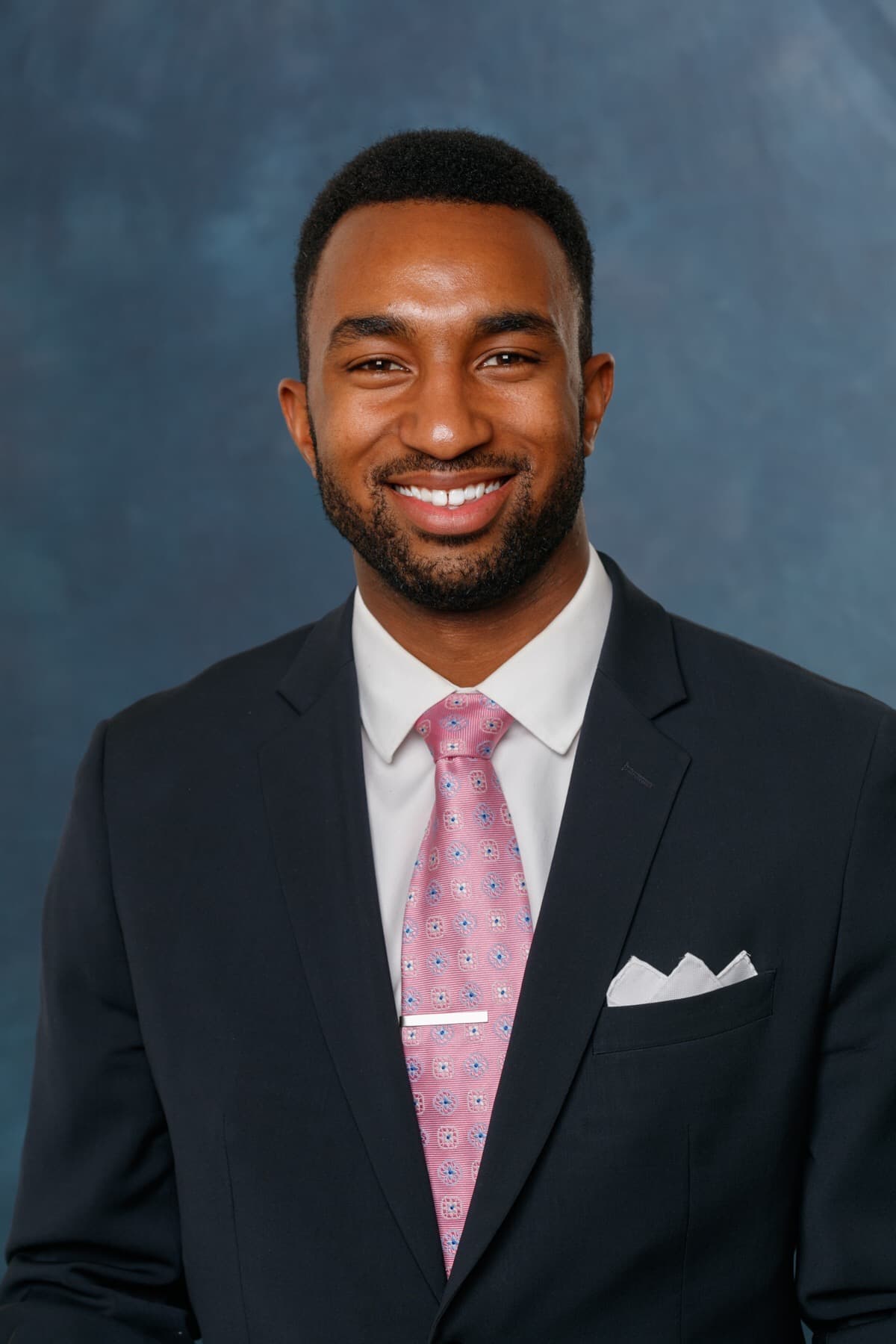
Cameron Baker
MBA, Marketing & Statistics · The Ohio State University Fisher College of Business—one degree in the story people believe, one in what the data can prove. Funding strategy is where they meet.
My career has moved through financial-services analytics, brand and portfolio management, public-sector KPI systems, data governance, and deterministic diagnostics. The settings changed. The throughline did not: establish what the evidence can support, make the important relationship visible, and act on the highest-leverage constraint.
I built Second Order because I kept seeing the same untapped asset: an organization sitting on the facts it needs, split across people who never read one another's files. Funding decisions get treated as isolated questions of fit or eligibility. The useful answer sits across programs, evidence, finances, capacity, and the portfolio— less like an audit than a map of territory the organization already owned.
The method is intentionally human-reviewed. Tools help reconstruct the source record and apply governed logic. They do not replace the judgment required to understand the relationship, the audience, and the action that follows—and they never sign the recommendation. I do.
The division of expertise
I'm not from the nonprofit sector, and I will not pretend otherwise. You know your mission, programs, community, and what it takes to deliver the work—knowledge earned over years that no consultant acquires in an engagement. Anyone who acts as though they know your business better than you should worry you.
What I know is what the records say. My career has been spent reading data other people were too close to: measurement systems, portfolios, and governance. My expertise is data-driven strategy— what budgets, awards, evidence, and commitments reveal when read together against the mechanics of how funding works.
I have done that work inside highly regulated settings: insurance and financial services at Nationwide, FDA-regulated therapeutic nutrition at Abbott, and public-sector governance with the Columbus Regional Airport Authority. The recurring task was the same: convert ambiguous data into strategy that can act inside rules that do not bend. Regulation defines the field the strategy has to win on.
Securing funding is storytelling—but the stories that hold through the award, reporting, and audit are the ones the evidence can carry. Marketing is the discipline of the story people believe; statistics is the discipline of what the data can prove. I do not write your story. I make sure the story you choose is one your record can stand behind.
The engagement is a division of labor. Your expertise enters as expertise—recorded as your judgment, labeled as yours, never overwritten by mine. My work complements what you know. The best outcome is that the people who know the work best make the decision with the full read in front of them.
Why “Second Order”
First-order work describes each fact. Second-order work connects the facts to reveal leverage, sequence, a portfolio pattern, or a binding constraint: one build that strengthens several paths, one result that must come first, one shared requirement, or one pursuit that quietly weakens a more important move.
The name is a method claim. An observation does not become an insight until it is source-grounded, non-obvious, and consequential enough to change the decision. The refusal to claim more than the record supports is part of the value, not a disclaimer added afterward.
That discipline reaches the operating detail. Controlling provisions are identified at the section level; payment and drawdown systems are named when they change cash timing; quantitative evidence keeps its denominator, distribution, and vintage; and counter-evidence appears before the recommendation rather than after it.
Relevant experience
Led cross-functional analytics at Nationwide Financial connecting marketing activity to policy conversion and identifying structural funnel gaps—the discipline of proving which activity actually drives the result.
Managed channel performance and budget for Abbott Nutrition's therapeutic nutrition portfolio—the discipline of reading many moving pieces as one system with shared constraints.
Worked with the Columbus Regional Airport Authority to define KPI structures, support API integrations, and author data-governance procedures—the discipline of deciding what a number is allowed to mean.
Built evidence-first diagnostic systems that preserve measurability boundaries rather than invent certainty the underlying record cannot support—the discipline this practice runs on.
Start with the question. We can determine the right scope from there—and either way, you will leave the call knowing more about your own position than you came in with.